
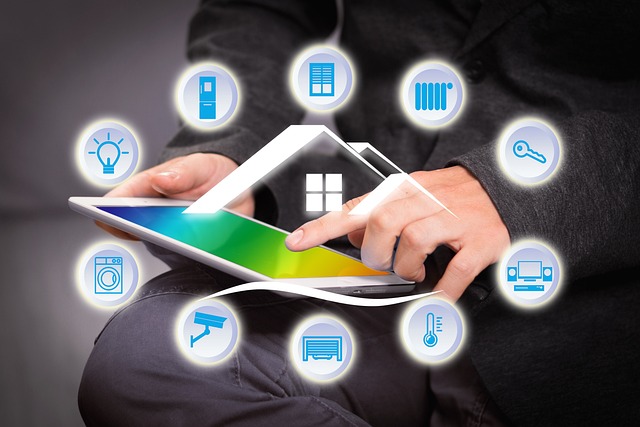
Smart home security systems are marketed as complete solutions—offering instant alerts, automation, and remote monitoring. While these tools can strengthen home protection, they also have the potential to create a false sense of security. When homeowners rely too heavily on technology, important vulnerabilities may go unnoticed.
Below are key ways modern systems can inadvertently introduce risk, along with practical steps to maintain real security.
1. Overreliance on Automation
Smart locks, automated lighting, and wireless sensors enhance convenience, but they are not infallible. Technology can malfunction due to low batteries, interrupted connectivity, or software errors. A lock that appears secure in an app may not be fully engaged in reality, and a sensor may fail to detect motion if it has shifted out of alignment.
How to stay protected:
- Periodically check doors and windows manually.
- Use quality mechanical deadbolts as a physical backup.
- Test sensors and smart devices monthly to confirm proper operation.
2. Weak Wi-Fi and Network Security
Security systems depend heavily on the home’s network. Weak Wi-Fi passwords, outdated routers, and unprotected guest networks can create entry points for unwanted digital access. If the network is compromised, so are the devices connected to it.
Protection tips:
- Use strong, unique passwords for Wi-Fi and all security apps.
- Keep routers and modems updated with current firmware.
- Enable multi-factor authentication on security platforms.
- Whenever possible, place smart devices on a separate network from personal computers.
3. Misplaced Confidence in Cameras
Cameras provide valuable visibility but are often treated as comprehensive protection. Improper mounting height, poor angle selection, and obstructing vegetation can all limit their effectiveness. Cameras alone do not stop intrusions; they simply record them.
Best practices:
- Install cameras at eye level when feasible for clearer identification.
- Maintain landscaping to prevent blocked views.
- Confirm that cameras are actively recording and that storage settings are correct.
- Pair cameras with adequate exterior lighting for better nighttime coverage.
4. Neglect of Traditional Security Measures
Even with advanced technology, common vulnerabilities remain: unlocked windows, deteriorated door hardware, and garage doors left slightly open. Smart systems cannot compensate for physical conditions that reduce security.
To strengthen overall protection:
- Inspect windows, doors, and exterior hardware regularly.
- Verify that garage sensors and auto-close features function properly.
- Address structural issues such as rot, corrosion, or loose components promptly.
Final Thoughts
Smart security systems are valuable additions to a home, but they work best when combined with consistent maintenance and practical security habits. Technology enhances safety, but it should never replace basic precautions. A balanced approach ensures genuine protection rather than a false sense of security.
Recent Comments