
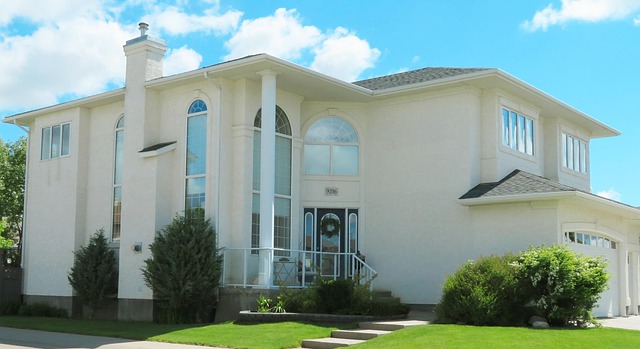
Homes that are 20–25 years old often reach a turning point. Many of the original components are still in place, but time, weather, and daily use have started to take their toll. In Florida’s heat, humidity, and storm-prone environment, certain systems tend to show their age sooner than homeowners expect. Knowing what typically fails—and planning ahead—can save stress, money, and unpleasant surprises.
Roofs and Exterior Materials
One of the most common concerns in a home of this age is the roof. Asphalt shingle roofs often reach the end of their service life around 20–25 years, sometimes sooner depending on installation quality and ventilation. Signs of aging include curling shingles, granule loss, and minor leaks that appear after heavy rain. Stucco, siding, and exterior trim may also begin to crack or deteriorate, allowing moisture intrusion if not addressed.
Preparation tip: Have the roof evaluated regularly, especially before storm season. Budget for replacement rather than waiting for a leak to force the issue.
HVAC Systems
Heating and cooling systems in this age range are often operating well past their intended lifespan. Older HVAC units can struggle to keep up with demand, run inefficiently, and fail without much warning. Ductwork may also show wear, with leaks reducing comfort and increasing energy costs.
Preparation tip: Schedule routine servicing and consider a professional evaluation of both the unit and duct system. Planning for replacement before failure helps avoid emergency decisions.
Plumbing and Water Heaters
Plumbing components, especially older supply lines and shutoff valves, can corrode or weaken over time. Water heaters commonly last 10–15 years, meaning many homes of this age are already on their second unit—or overdue for one. Small leaks under sinks or at the water heater often signal bigger issues ahead.
Preparation tip: Inspect visible plumbing annually and know the age of your water heater. Proactive replacement is far less disruptive than water damage repairs.
Electrical Systems
While wiring itself may still be serviceable, outlets, switches, and panels can become outdated. Homes built decades ago may lack the electrical capacity modern households require, and older panels can pose safety concerns if not maintained.
Preparation tip: Have a licensed professional review the electrical system, especially if you notice frequent breaker trips or plan to add new appliances.
Windows, Doors, and Seals
Seals around windows and doors degrade over time, leading to drafts, moisture intrusion, and higher energy bills. In coastal or humid environments, corrosion and wood rot are common contributors.
Preparation tip: Check caulking and seals regularly and replace failing components before water damage develops.
Planning Ahead Pays Off
Homes don’t usually fail all at once—they give clues. Paying attention to age, condition, and small warning signs allows homeowners to plan repairs on their timeline. Regular evaluations, realistic budgeting, and preventative maintenance are the best tools for keeping a 20–25-year-old home safe, comfortable, and reliable for years to come.
Recent Comments