
When preparing a home for sale, it’s natural to want to tackle a few do-it-yourself projects to save money and boost appeal. A fresh coat of paint or a tightened door handle can certainly help. Unfortunately, some common DIY fixes end up creating more problems than they solve—and savvy buyers (and their inspectors) notice.
Here are some of the most unhelpful DIY fixes homeowners often attempt before listing, and why they can backfire.
1. Painting Over Problems
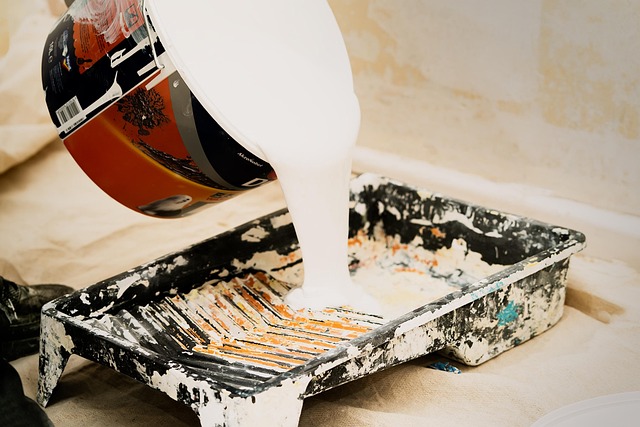
Paint is one of the most misused tools in pre-sale prep. While neutral paint can brighten a space, painting over stains, water damage, or cracks without addressing the underlying issue is a red flag. Water stains that reappear or cracks that continue to spread suggest unresolved moisture or structural concerns. Buyers may think the worst, even though the issue is minor.
2. Quick Electrical “Upgrades”
Replacing outlets, switches, or light fixtures seems straightforward, but improper wiring is one of the most common DIY mistakes seen during inspections. Loose connections, reversed polarity, missing junction boxes, or ungrounded outlets can pose safety hazards. These issues often lead to repair requests or credits that outweigh any perceived savings from doing it yourself.
3. Covering Damage Instead of Repairing It
Using caulk, filler, or trim to hide rotted wood, damaged drywall, or deteriorated siding rarely ends well. These cosmetic patches tend to fail under closer examination. Once uncovered, buyers may question what else has been concealed, which can undermine trust in the overall condition of the home.
4. Improper Plumbing Fixes
Leaky faucets and slow drains are tempting DIY targets, but incorrect repairs can lead to bigger problems. Over-tightened fittings, mismatched materials, or unapproved flexible connections can cause leaks or code issues. Even small plumbing mistakes can raise concerns about water damage and long-term maintenance.
5. Flooring Shortcuts
Installing laminate or vinyl flooring over uneven subfloors, damaged tile, or active moisture issues often results in soft spots, gaps, or buckling. These problems are usually noticeable during a walk-through and suggest rushed or inexperienced installation.
6. Ignoring Permits and Codes
Unpermitted work—especially involving electrical, plumbing, or structural changes—can complicate a sale. Buyers may request documentation or require corrections before closing. What seemed like a simple DIY improvement can quickly turn into a negotiation hurdle.
A Better Approach
Before selling, focus on maintenance, not masking. Address known issues properly or consult a qualified professional when needed. Honest repairs, even if limited in scope, tend to inspire more confidence than a long list of cosmetic touch-ups.
In real estate, quality and transparency matter. Thoughtful preparation helps a home show well, pass inspections more smoothly, and move toward closing with fewer surprises—for everyone involved.
Recent Comments