
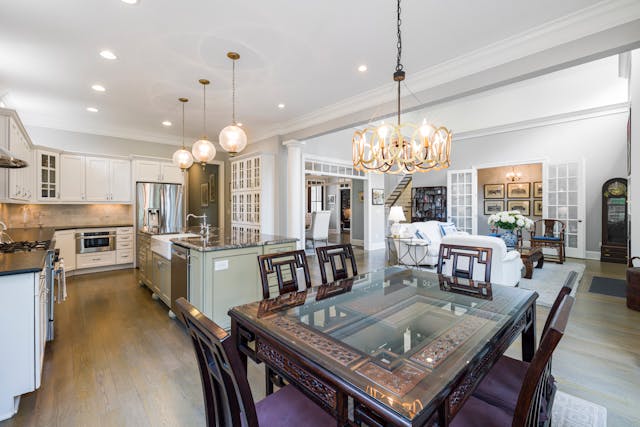
Open concept floor plans have become a defining feature of modern homes. By removing walls between kitchens, dining rooms, and living areas, homeowners gain a sense of spaciousness, improved sightlines, and better natural light distribution. Entertaining becomes easier, and families often enjoy the connected feel. While these benefits are appealing, there are practical considerations that deserve careful attention before committing to a remodel.
Structural Surprises Behind the Walls
Not all walls are simply cosmetic. Some carry the structural load of the home, and removing them requires engineered solutions such as beams or columns. This can increase both cost and complexity. Improper modifications may lead to sagging ceilings, cracked drywall, or long-term stability issues. A thorough evaluation before demolition is essential to avoid unexpected repairs down the line.
Noise Travels Further Than Expected
One of the most commonly overlooked drawbacks is noise. Without walls to buffer sound, everyday activities—clanging dishes, television audio, or conversations—can carry throughout the entire space. This can become particularly noticeable in households with different schedules or work-from-home arrangements. What feels lively at first can eventually feel overwhelming without designated quiet areas.
Heating and Cooling Challenges
Open layouts can alter how air circulates through a home. Larger, uninterrupted spaces often require more energy to heat and cool efficiently. HVAC systems designed for segmented rooms may struggle to maintain consistent temperatures, leading to hot and cold spots. Upgrades to ductwork or system capacity may be necessary, adding to the overall investment.
Storage and Wall Space Trade-Offs
Walls do more than divide rooms—they provide valuable storage and functional space. Cabinets, shelving, and even artwork placement can become limited when walls are removed. Kitchens in open layouts may need additional islands or creative storage solutions to compensate. Without proper planning, the result can feel cluttered rather than streamlined.
Privacy Becomes a Luxury
Open concept designs reduce visual and physical barriers, but that also means less privacy. Activities once contained in separate rooms—cooking, working, relaxing—now overlap. This can affect daily routines, especially in multi-person households. Incorporating subtle zoning elements like partial dividers, furniture placement, or varied lighting can help restore some balance.
Resale and Long-Term Considerations
While open layouts remain popular, preferences can shift over time. Some buyers are beginning to favor flexible spaces that offer both openness and separation when needed. A remodel that removes too many defined areas may not appeal universally. Maintaining some degree of adaptability can help preserve long-term value.
A Balanced Approach Wins
Open concept living can enhance comfort and style, but it is not without trade-offs. Structural implications, energy efficiency, noise levels, and functionality all play a role in the final outcome. Careful planning, professional evaluation, and thoughtful design choices can help ensure that the finished space delivers both beauty and practicality.
Recent Comments