
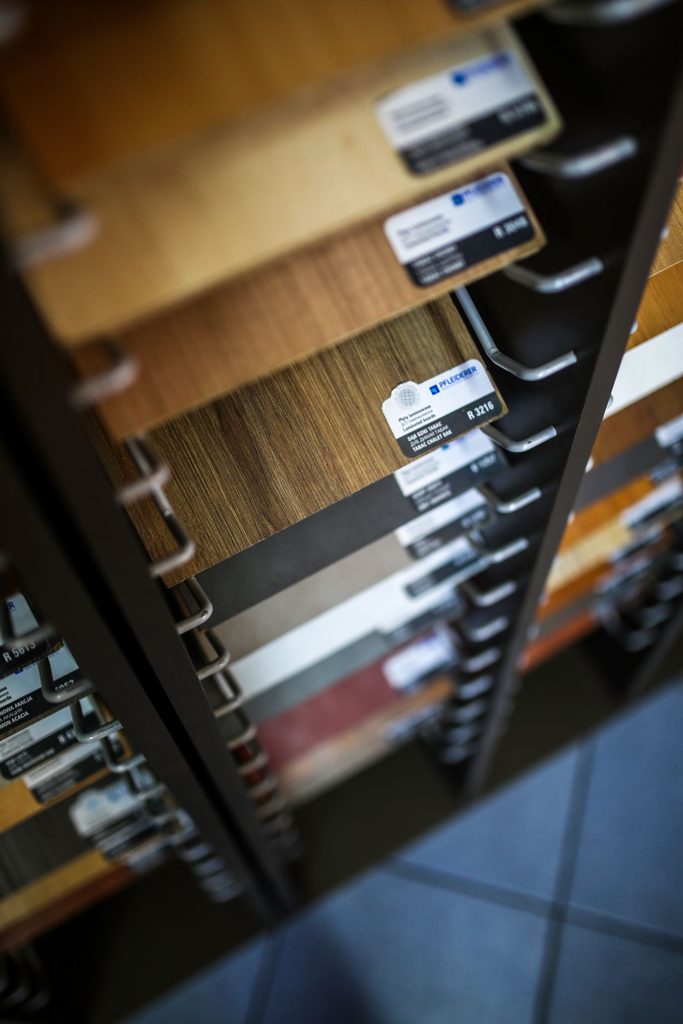
Laminate flooring has become a popular choice for homeowners who want the appearance of hardwood without the higher price tag or maintenance requirements. It can be an attractive, practical flooring option, but like any building material, it has advantages and limitations. Understanding both sides can help homeowners decide whether laminate makes sense for a particular room and lifestyle.
What Is Laminate Flooring?
Laminate flooring is a manufactured product typically made with several layers. A durable wear layer protects the surface, while a printed decorative layer creates the appearance of wood, stone, or other materials. Beneath these layers is a dense core, often made from wood-based fiberboard, along with a stabilizing backing layer.
Modern laminate can look remarkably realistic. However, appearance is only one consideration. Installation conditions, moisture exposure, and the quality of the product can significantly affect how well the flooring performs.
The Pros of Laminate Flooring
Attractive Appearance
One of laminate’s biggest advantages is its ability to mimic natural wood at a relatively affordable cost. It is available in numerous colors, patterns, plank widths, and textures, making it suitable for many interior styles.
Cost-Effective
Compared with many hardwood products, laminate is generally less expensive to purchase and install. This can make it appealing when covering a large area or updating a home on a defined budget.
Relatively Easy Maintenance
Laminate flooring typically requires routine sweeping or vacuuming and occasional cleaning with an appropriate laminate-flooring product. Its finished surface also resists many everyday stains and scuffs.
Installation Can Be Straightforward
Many laminate products use click-lock systems that allow planks to be installed without nails or glue. Depending on the product and site conditions, installation can be faster than some traditional flooring methods.
The Cons of Laminate Flooring
Moisture Is a Concern
Traditional laminate is not waterproof. Water that reaches seams, edges, or the underlying material can cause swelling, staining, or deterioration. This is particularly important in humid climates and areas where plumbing leaks, condensation, or standing water may occur.
Water-resistant and waterproof laminate products are available, but their performance depends on the specific product and installation.
It Cannot Usually Be Refinished
Unlike solid hardwood, laminate generally cannot be sanded and refinished when the surface becomes badly worn. Damaged planks may need to be replaced instead.
Subfloor Conditions Matter
Laminate can reveal problems with an uneven or unstable subfloor. Proper preparation is important to prevent movement, separation between planks, squeaking, or premature wear.
It May Not Have the Same Lifespan as Hardwood
Quality varies considerably among laminate products. A well-installed, higher-quality floor can provide years of service, but it may not offer the same long-term refinishing potential as solid hardwood.
Is Laminate Flooring a Good Choice?
Laminate can be a sensible flooring option when affordability, appearance, and relatively easy maintenance are priorities. The key is choosing a product appropriate for the room and paying close attention to moisture control and subfloor preparation.
For homeowners considering laminate, the most important question is not simply whether it looks good. It is whether the flooring, installation method, and surrounding conditions are suitable for the space. A little attention to those details can help prevent costly flooring problems later.
Recent Comments