
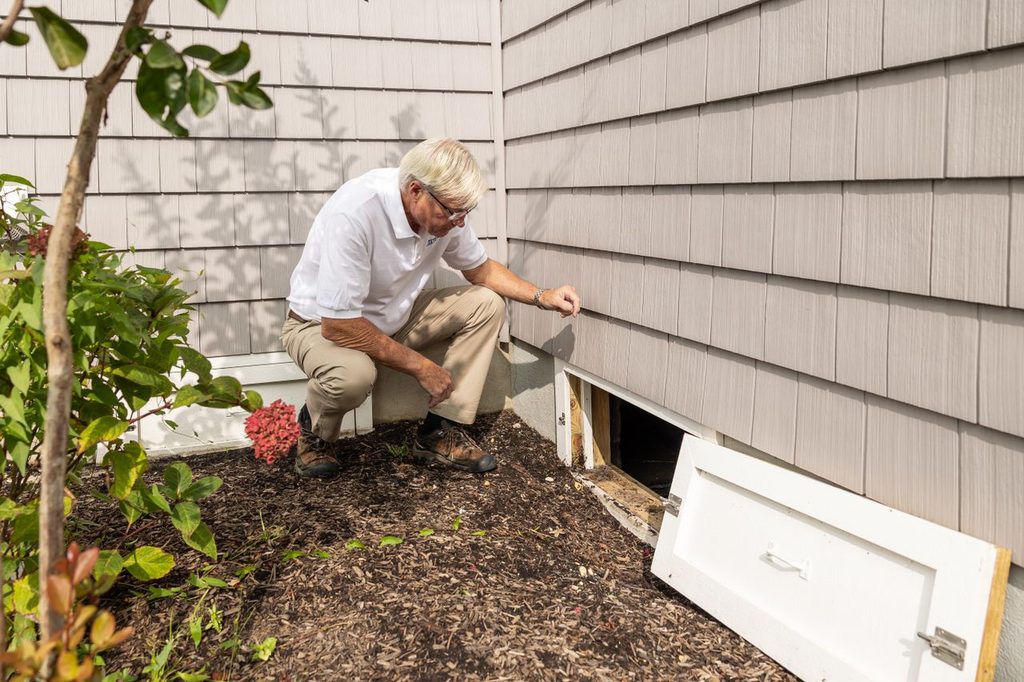
A crawlspace may seem like a convenient place to check plumbing, inspect wiring, or investigate a musty smell. But the space beneath your home can hide serious hazards that aren’t always visible from the entrance. Before grabbing a flashlight and crawling inside, take a moment to understand the risks and how to protect yourself.
In Tampa, where heat, humidity, heavy rain, and moisture-related problems are common, crawlspaces deserve extra caution.
Why Crawlspaces Can Be Dangerous
1. Mold, Mildew, and Poor Air Quality
Moisture can accumulate beneath a home because of plumbing leaks, poor drainage, or humid outdoor air. These conditions encourage mold growth and can create unpleasant or unhealthy air. Disturbing contaminated materials may release particles into the air, potentially triggering respiratory irritation or allergic reactions.
2. Pests and Unwanted Visitors
Crawlspaces can attract rodents, insects, spiders, and other wildlife. Their droppings, nesting materials, and damaged insulation may create additional health concerns. In Florida, it’s also wise to watch for snakes and other animals seeking shelter in cool, shaded areas.
3. Electrical and Plumbing Hazards
Exposed wiring, damaged electrical connections, leaking pipes, and improperly installed equipment can make a crawlspace hazardous. Standing water near electrical components is especially dangerous. Never assume an area is safe simply because the lights work or the equipment appears intact.
4. Structural Problems and Unstable Ground
Damaged floor joists, deteriorated supports, loose debris, and uneven soil can create unstable conditions. Older homes may have low clearances that make movement difficult, increasing the chance of injury or becoming trapped.
5. Heat, Limited Airflow, and Confined Spaces
Florida’s heat and humidity can turn an enclosed crawlspace into an uncomfortable, potentially dangerous environment. Poor ventilation, physical exertion, and restricted movement increase the risk of overheating and exhaustion. Some spaces may also contain hazardous gases or oxygen-deficient air that cannot be detected by smell alone.
How to Protect Yourself Before Entering
If you must enter a crawlspace, preparation matters.
- Inspect the entrance first. Look for standing water, damaged supports, exposed wiring, animal activity, and other visible hazards.
- Wear appropriate protective gear. Use gloves, sturdy footwear, eye protection, and clothing that covers your skin. A properly selected respirator may be necessary for certain contaminants, but a basic dust mask won’t protect against every hazard.
- Bring reliable lighting. A headlamp and backup flashlight help keep your hands free and improve visibility.
- Avoid wet or electrically hazardous areas. Never enter standing water where electrical hazards may exist.
- Tell someone where you are going. Make sure another person knows you are entering and when to expect you back.
- Keep your phone accessible. Have a way to call for help if something goes wrong.
When It’s Better to Stay Out
Some crawlspaces are best left to trained professionals. Avoid entry if you suspect structural instability, sewage contamination, hazardous gases, significant mold contamination, or dangerous electrical conditions. Never enter a space where you could become trapped or where the atmosphere has not been evaluated when a confined-space hazard is suspected.
Home inspectors use training, appropriate equipment, and established safety procedures to assess difficult areas. Even then, not every crawlspace can be safely accessed.
A Final Word: Safety Comes First
The area beneath your home can reveal important clues about moisture, plumbing, pests, and structural condition. However, finding a problem is never worth risking your health.
When a crawlspace looks unsafe, trust your instincts and call a qualified professional. A careful inspection begins with knowing when not to crawl inside.
Recent Comments