
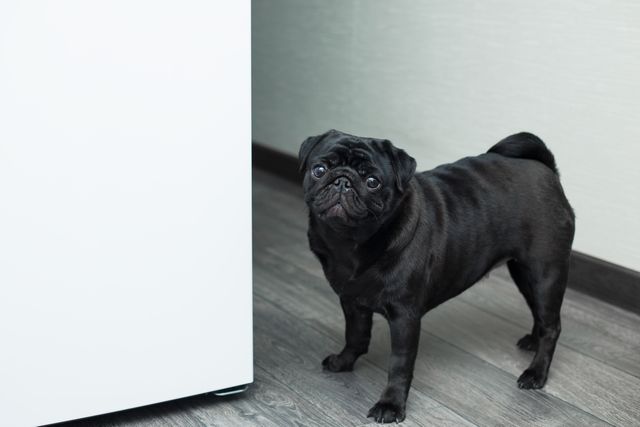
When homeowners think about mold problems, concerns often focus on property damage or potential effects on human health. However, there is another group of household members that can be impacted by mold exposure: pets. Dogs, cats, birds, and other animals spend a significant amount of time indoors, often much closer to floors, carpets, and hidden areas where mold thrives.
Understanding how mold can affect pets is an important part of maintaining a healthy home environment.
Why Pets Are Often More Vulnerable
Pets experience the home differently than people do. Dogs and cats regularly sniff around baseboards, crawlspaces, furniture, and damp areas where mold spores may be present. Because they spend much of their time close to the ground, they can be exposed to mold concentrations that homeowners may not immediately notice.
In humid climates, moisture problems can develop behind walls, beneath flooring, around air conditioning systems, or in poorly ventilated spaces. These hidden conditions can create an ideal environment for mold growth.
Common Signs of Mold Exposure in Pets
Mold exposure can affect animals in various ways depending on the type of mold, the level of exposure, and the pet’s overall health. Some common symptoms include:
- Frequent sneezing or coughing
- Runny nose or watery eyes
- Excessive scratching or skin irritation
- Difficulty breathing
- Fatigue or reduced activity levels
- Loss of appetite
- Digestive issues such as vomiting or diarrhea
Because these symptoms can resemble allergies or other medical conditions, mold-related concerns are often overlooked initially.
Certain Pets Face Greater Risks
While any pet can be affected by mold exposure, some animals may be more sensitive than others. Older pets, young animals, and those with pre-existing respiratory conditions can experience stronger reactions.
Birds are particularly susceptible to airborne contaminants, including mold spores. Their highly sensitive respiratory systems can react quickly when indoor air quality declines. Likewise, pets with weakened immune systems may struggle to tolerate prolonged exposure to mold-contaminated environments.
Hidden Moisture Means Hidden Problems
One challenge with mold is that it often develops out of sight. A home can appear clean and well-maintained while mold is actively growing behind walls, under sinks, inside HVAC components, or beneath flooring materials.
Persistent musty odors, recurring condensation, water stains, or previous leak history may indicate conditions that support mold growth. Identifying moisture sources early is often the most effective way to prevent larger issues from developing.
Protecting Both Your Home and Your Pets
Maintaining proper humidity levels, addressing leaks promptly, improving ventilation, and scheduling regular evaluations of moisture-prone areas can help reduce mold risks. If a pet begins showing unexplained respiratory or allergy-like symptoms, it may be worth considering whether environmental conditions within the home are contributing factors.
A healthy home benefits everyone who lives there—including the four-legged family members who cannot always communicate when something is wrong.
The Bottom Line
Mold is more than a cosmetic concern. Beyond potential structural damage, it can create indoor environmental conditions that affect the health and comfort of household pets. Staying proactive about moisture control and indoor air quality helps create a safer, healthier space for every member of the household, whether they walk on two legs or four.
Recent Comments