
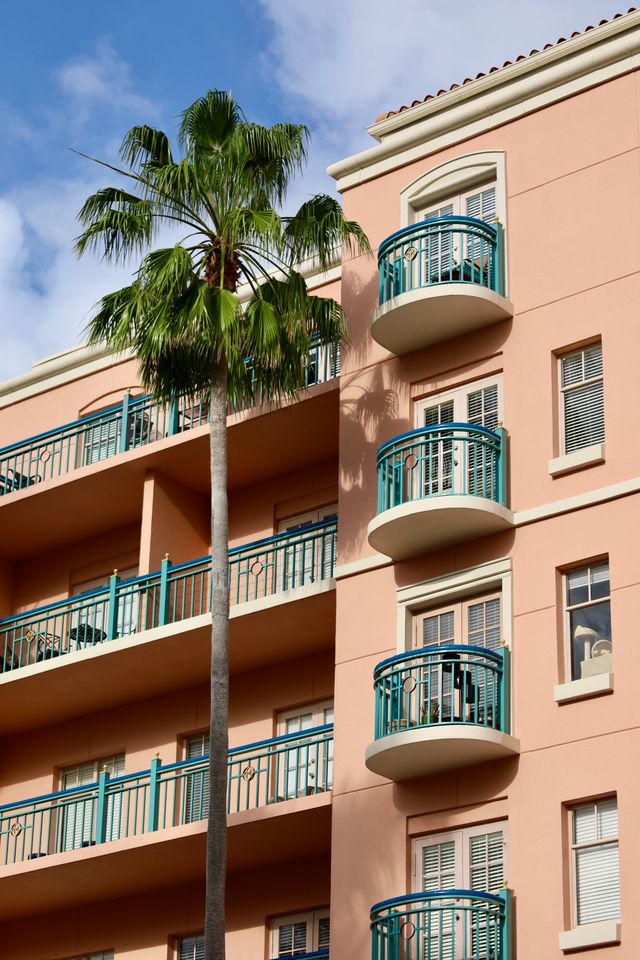
Buying a condominium is often viewed as a simpler process than purchasing a single-family home. After all, the homeowners association is responsible for maintaining many of the property’s major components, right? While that’s true to an extent, it doesn’t mean a condo is free from defects or costly surprises. A private inspection remains one of the smartest investments a buyer can make before closing.
A Beautiful Interior Doesn’t Tell the Whole Story
Fresh paint, new flooring, and updated countertops can make any unit look move-in ready. Unfortunately, cosmetic improvements can also distract from problems that aren’t immediately visible. Issues such as moisture intrusion, plumbing leaks, electrical deficiencies, HVAC concerns, or improperly installed fixtures may not become obvious until after move-in.
A professional inspection helps identify these conditions before they become the buyer’s responsibility.
Shared Ownership Doesn’t Mean Shared Risk
Many condo buyers assume the association will cover every repair. In reality, responsibility is often divided between the association and the unit owner. The governing documents typically outline where that line is drawn, but the physical condition of the unit still matters.
For example, damaged plumbing inside the unit, aging water heaters, malfunctioning air conditioning systems, or electrical problems frequently fall under the owner’s responsibility. Discovering these issues before closing provides valuable negotiating power and prevents unexpected expenses.
Water Damage Is a Common Concern
Florida’s humid climate makes moisture one of the most important items to evaluate during a condominium inspection. Small leaks around windows, plumbing fixtures, air conditioning equipment, or water heaters can remain hidden for months before visible damage appears.
Unchecked moisture can contribute to damaged materials, mold growth, and expensive repairs. Identifying early warning signs allows buyers to make informed decisions before completing the purchase.
Safety Should Never Be Assumed
Even newer condominiums can have safety concerns. Loose electrical outlets, missing GFCI protection, smoke detector deficiencies, damaged handrails, or improper repairs are more common than many buyers expect.
A thorough inspection evaluates the condition of accessible systems and components while highlighting issues that could affect safety, functionality, or long-term maintenance.
Renovations Aren’t Always Done Correctly
Many condominium owners remodel kitchens, bathrooms, and flooring to increase resale value. While updates can certainly enhance a property’s appeal, not every renovation is completed by qualified professionals.
Improper plumbing connections, unsafe electrical work, poor tile installation, or ventilation issues may remain hidden beneath attractive finishes. An inspection provides another layer of confidence that improvements were completed properly.
Knowledge Creates Better Decisions
A home inspection isn’t just about finding defects—it’s about understanding the property. Buyers gain valuable information about the condition of major systems, routine maintenance needs, and items that may require attention in the future. That knowledge makes budgeting easier and reduces surprises after closing.
A Small Investment That Can Pay Off
Compared to the overall cost of purchasing a condominium, the price of a professional inspection is relatively small. Yet the information it provides can save thousands of dollars, strengthen negotiations, and offer valuable peace of mind.
No property is perfect, and condominiums are no exception. Whether the unit is brand new or decades old, taking the time to schedule a private inspection is one of the most practical steps a buyer can take toward making a confident, well-informed investment.
Recent Comments