
Energy-efficient and environmentally friendly home improvements continue to grow in popularity, offering homeowners lower utility bills, improved comfort, and a smaller environmental footprint. While these upgrades can add value to a property, they are still evaluated during a home inspection like any other system or feature. The focus is not on whether an upgrade is “green,” but whether it is installed correctly, functions as intended, and does not create safety or maintenance concerns.
Solar Panels: More Than Just Energy Savings
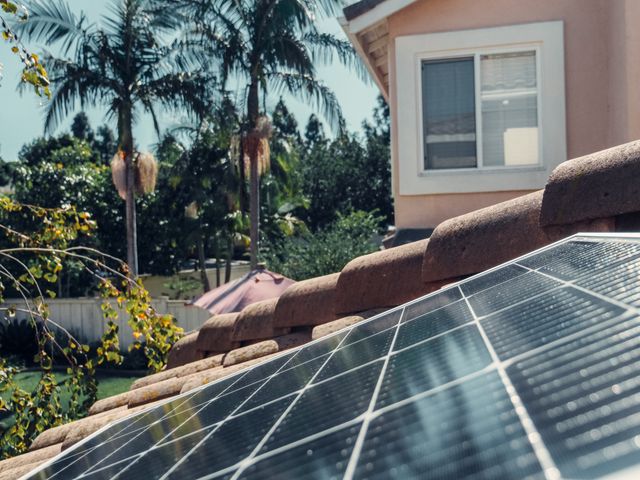
Solar panels are one of the most recognizable eco-friendly improvements. During a home inspection, the visible portions of the installation are examined for signs of damage, loose components, or improper mounting where accessible. The condition of the roof surrounding the installation is also important, as poorly installed mounting systems can contribute to leaks or premature roof wear.
While inspectors do not perform detailed testing of solar energy production, obvious installation or safety concerns may be noted.
High-Efficiency Windows and Doors
Modern energy-efficient windows and exterior doors can improve insulation and indoor comfort. A home inspection typically checks that they open, close, and latch properly. Inspectors also look for damaged seals, moisture between glass panes, and signs of air or water intrusion.
Even premium windows can develop problems over time, making routine maintenance just as important as the initial installation.
Improved Insulation and Air Sealing
Proper insulation is one of the simplest ways to increase energy efficiency. Inspectors evaluate visible insulation in accessible areas such as attics and crawl spaces while also looking for signs of moisture, inadequate ventilation, or compressed insulation that reduces effectiveness.
Air sealing improvements can also benefit a home, but they should never interfere with proper attic or crawl space ventilation, which helps prevent moisture-related issues.
Tip: Energy efficiency should always work together with proper ventilation—not replace it.
Smart Home Technology
Programmable thermostats, smart lighting, and automated systems can help reduce energy consumption. Although these features may be present, a home inspection primarily verifies basic operation when possible rather than evaluating advanced programming or connectivity.
Any visible wiring should be safely installed without exposed connections or other electrical concerns.
Water-Saving Fixtures
Low-flow toilets, faucets, and showerheads are common eco-friendly upgrades. During an inspection, these fixtures are checked for leaks, secure installation, and proper operation. Saving water should never come at the expense of reliable performance or plumbing integrity.
A fixture that conserves water but leaks continuously ultimately defeats its intended purpose.
Landscaping That Supports the Home
Sustainable landscaping, including native plants and efficient irrigation systems, can reduce outdoor water use. However, landscaping should also protect the home itself. Grading should direct water away from the foundation, vegetation should not contact exterior walls, and irrigation systems should avoid constantly soaking siding or foundations.
Well-planned landscaping contributes to both efficiency and long-term property protection.
Quality Installation Matters Most
Eco-friendly upgrades can be excellent investments when they are professionally installed and properly maintained. From insulation and efficient windows to solar panels and water-saving fixtures, every improvement should meet the same expectations for safety, durability, and functionality as traditional home systems.
A home inspection helps identify visible concerns that could affect performance or longevity, giving buyers and homeowners greater confidence that environmentally conscious improvements are also practical, dependable, and built to last.
Recent Comments